CASE STUDY · HEALTHCARE PLATFORM · 2024
PatientBook
A web and mobile healthcare platform built around a continuing patient record, with dedicated workspaces for clinical teams and patients.
XAPPRIKA SCOPE
- Product design
- Web application
- Mobile application
- Backend architecture
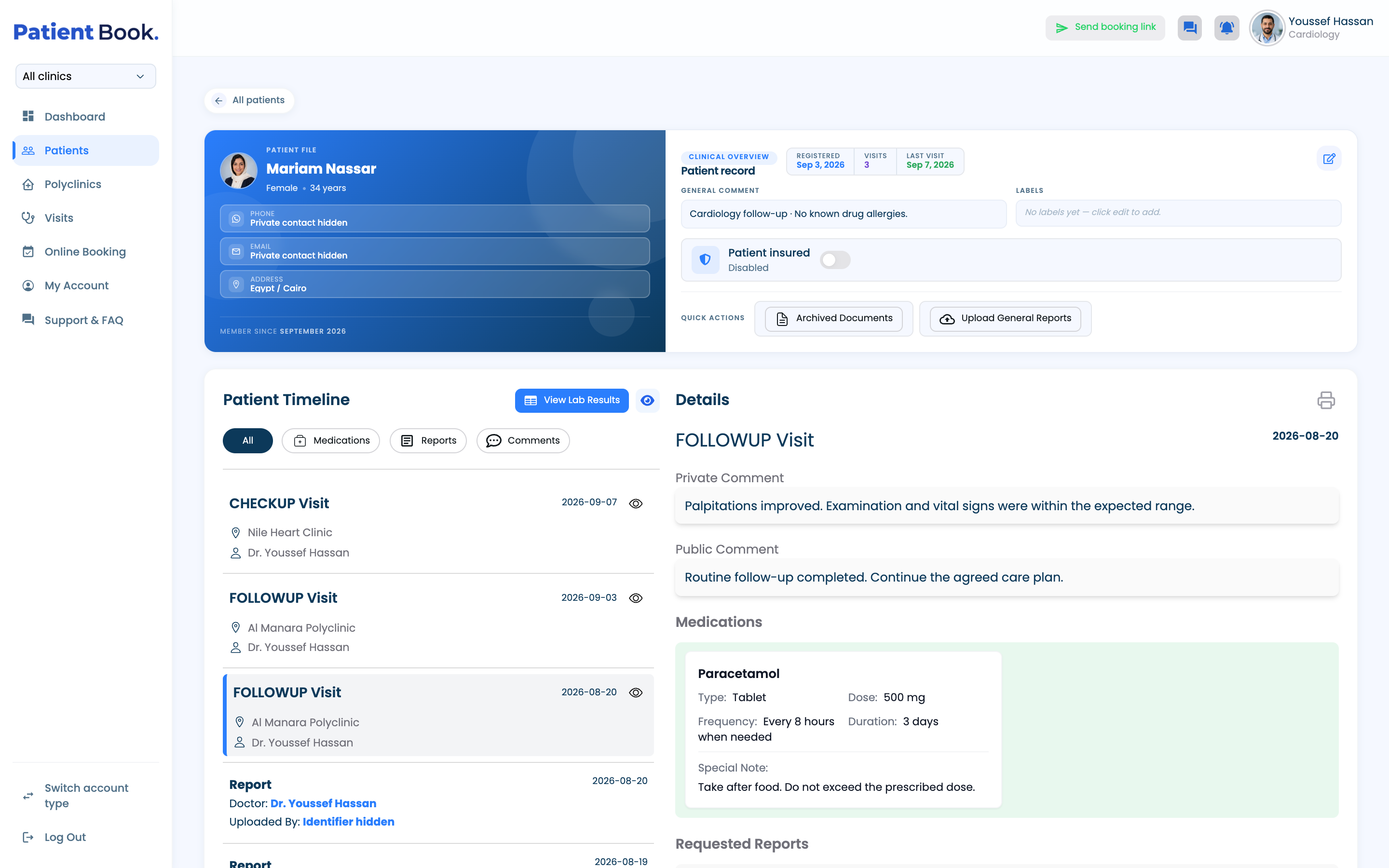
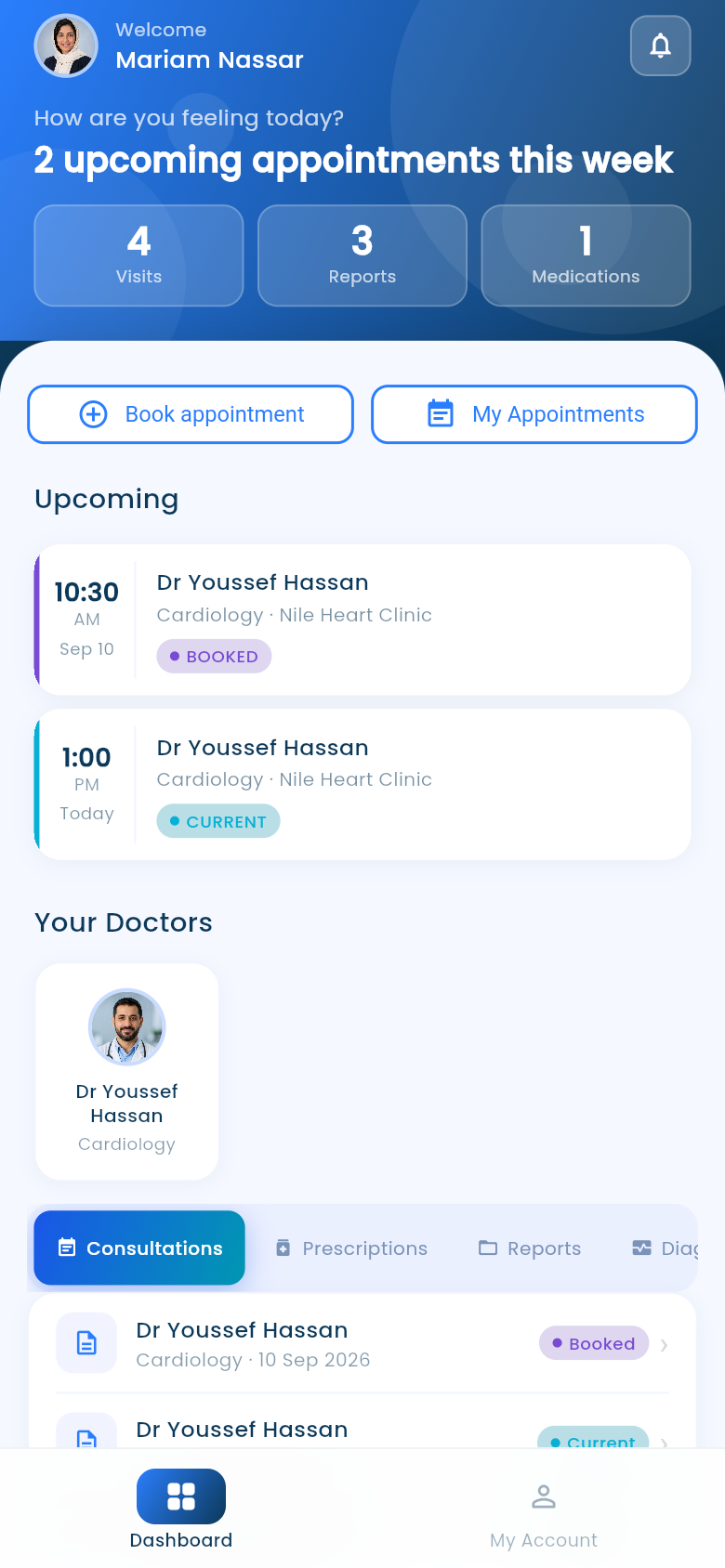
Screens shown with fictional demo data.
THE CONTEXT
Patient information is often split across clinic software, paper records, prescriptions, reports, and conversations. PatientBook brings those moments into one role-aware system centred on a continuing patient record.
THE SYSTEM MODEL
One record. Different workspaces.
PatientBook keeps the continuing patient record at the centre, with dedicated workspaces for each role’s tasks and decisions.
From the consultation to the next step in care.
The doctor’s workspace brings patient history into the active visit. Notes, diagnosis, prescription details and requested reports sit alongside the continuing record.
Screens shown with fictional demo data. Select Enlarge to inspect any screen.
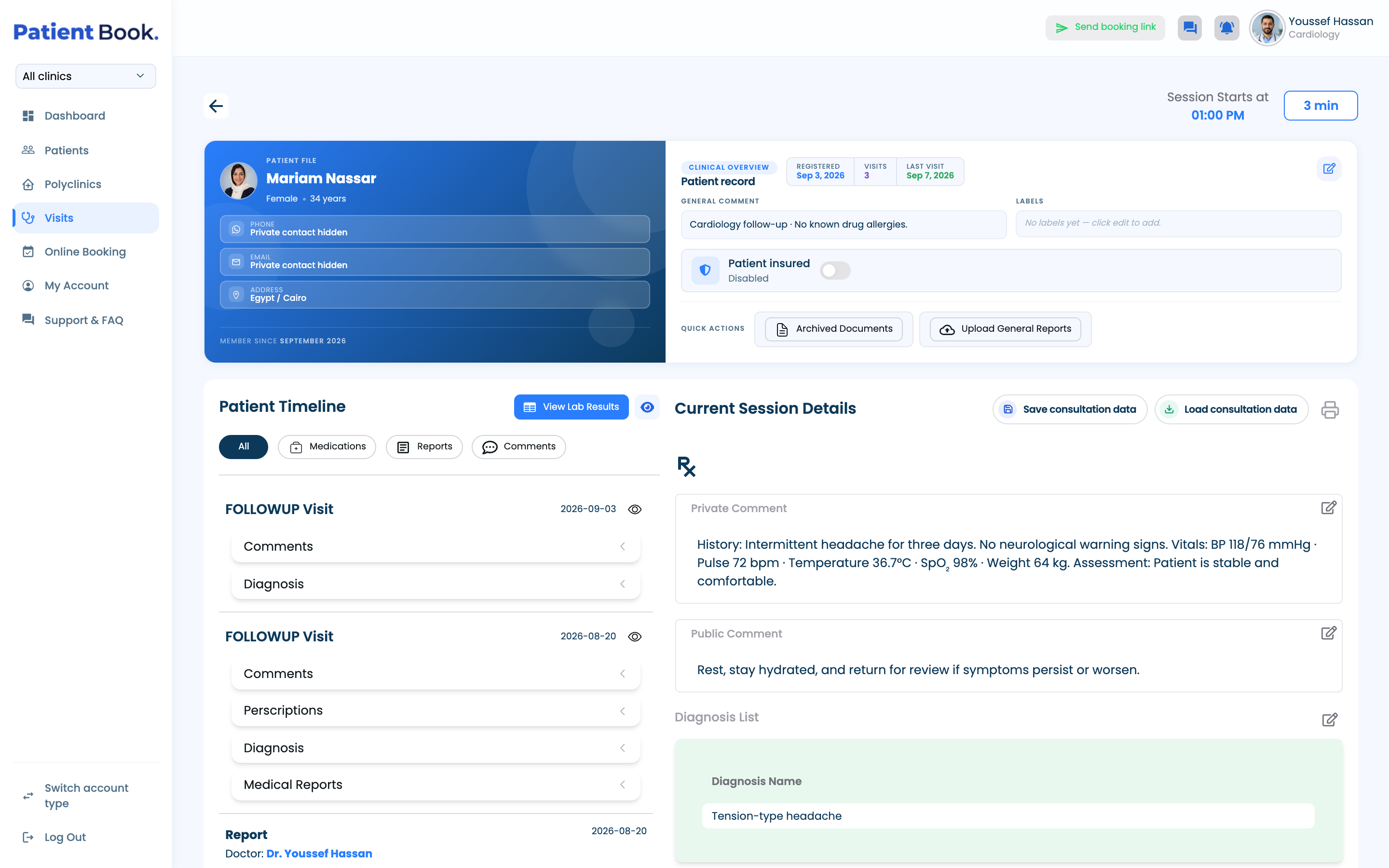 Active consultationEnlarge
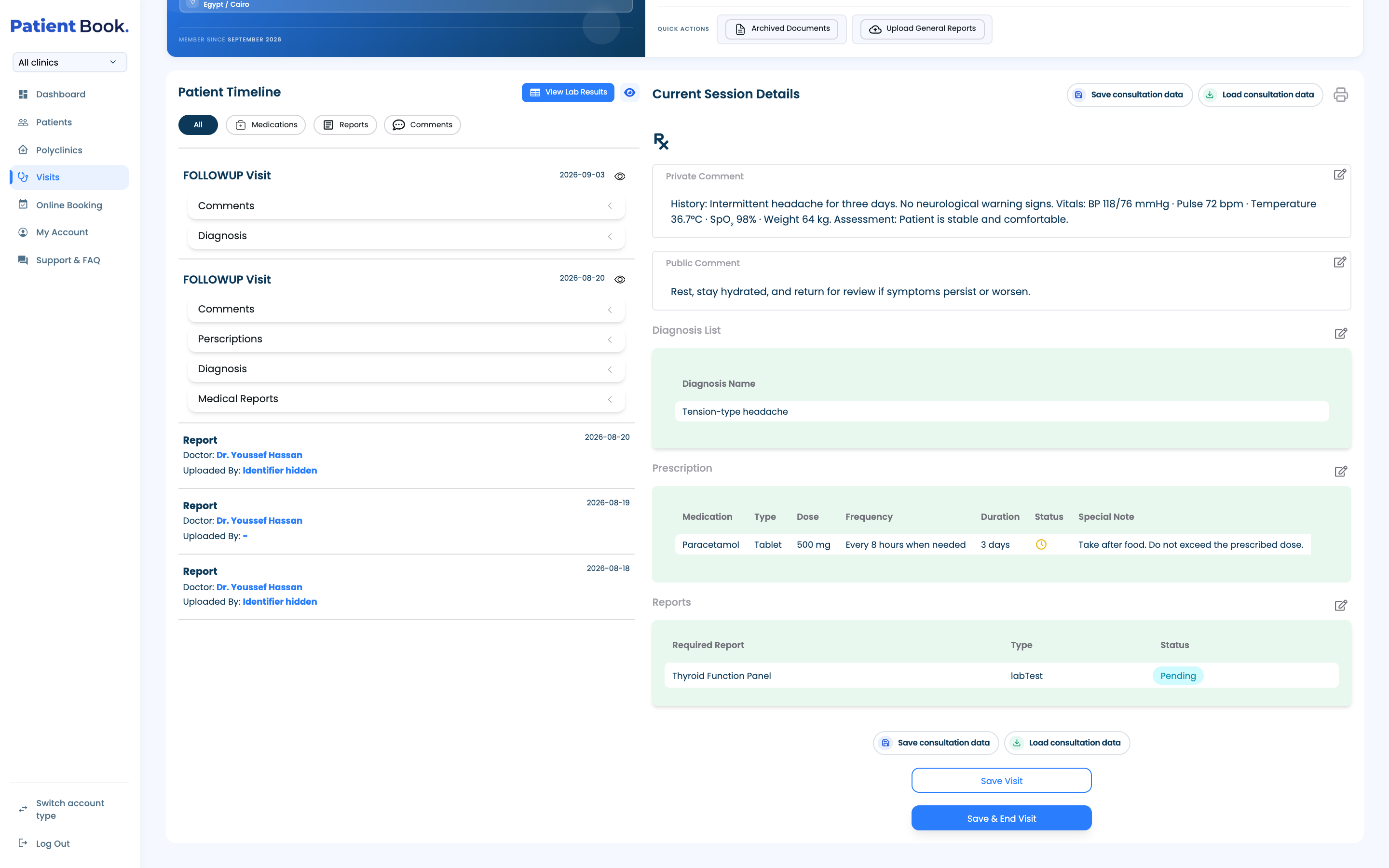 Electronic prescription — consultation detailEnlarge
The report beside the request.
The laboratory workspace brings together the patient, referring doctor, request status and a preview of the attached report.
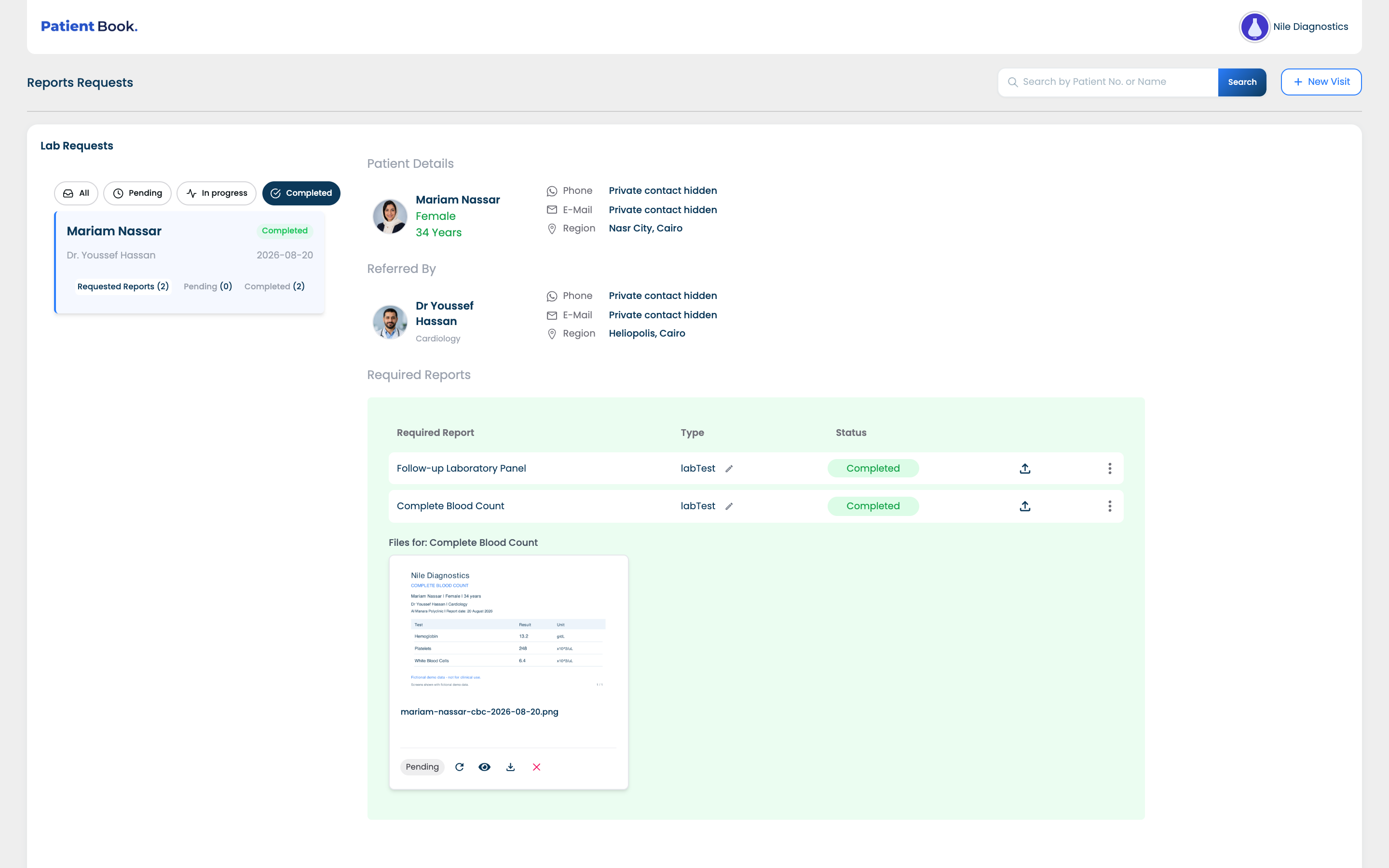 Laboratory request and report previewEnlarge
A prescription ready for review.
The pharmacy workspace shows the patient, prescribing doctor and medication details together, with selection before the next step.
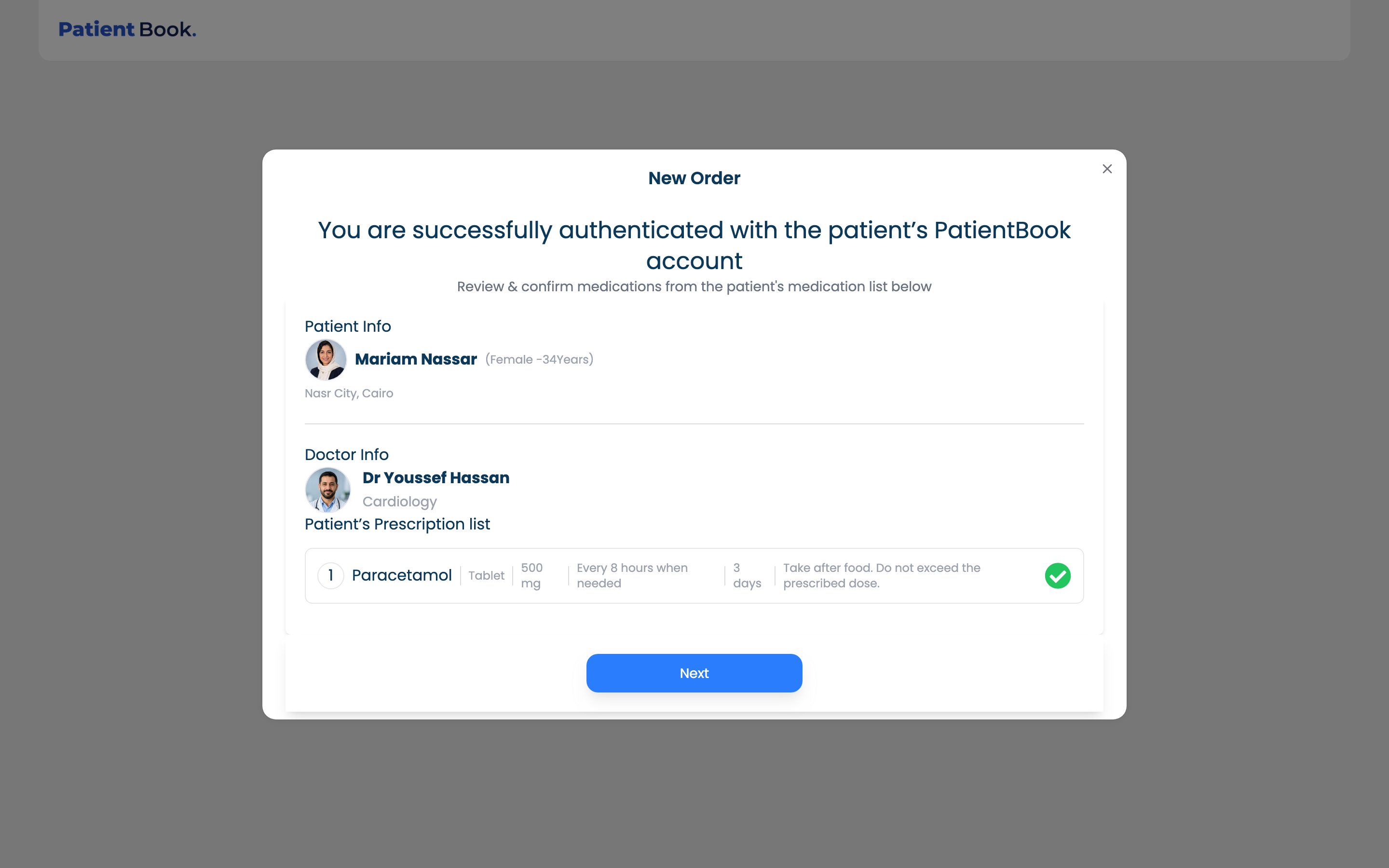 Pharmacy prescription reviewEnlarge
The patient’s side of the story.
Appointments, previous prescriptions and laboratory results, presented in the patient’s mobile interface.
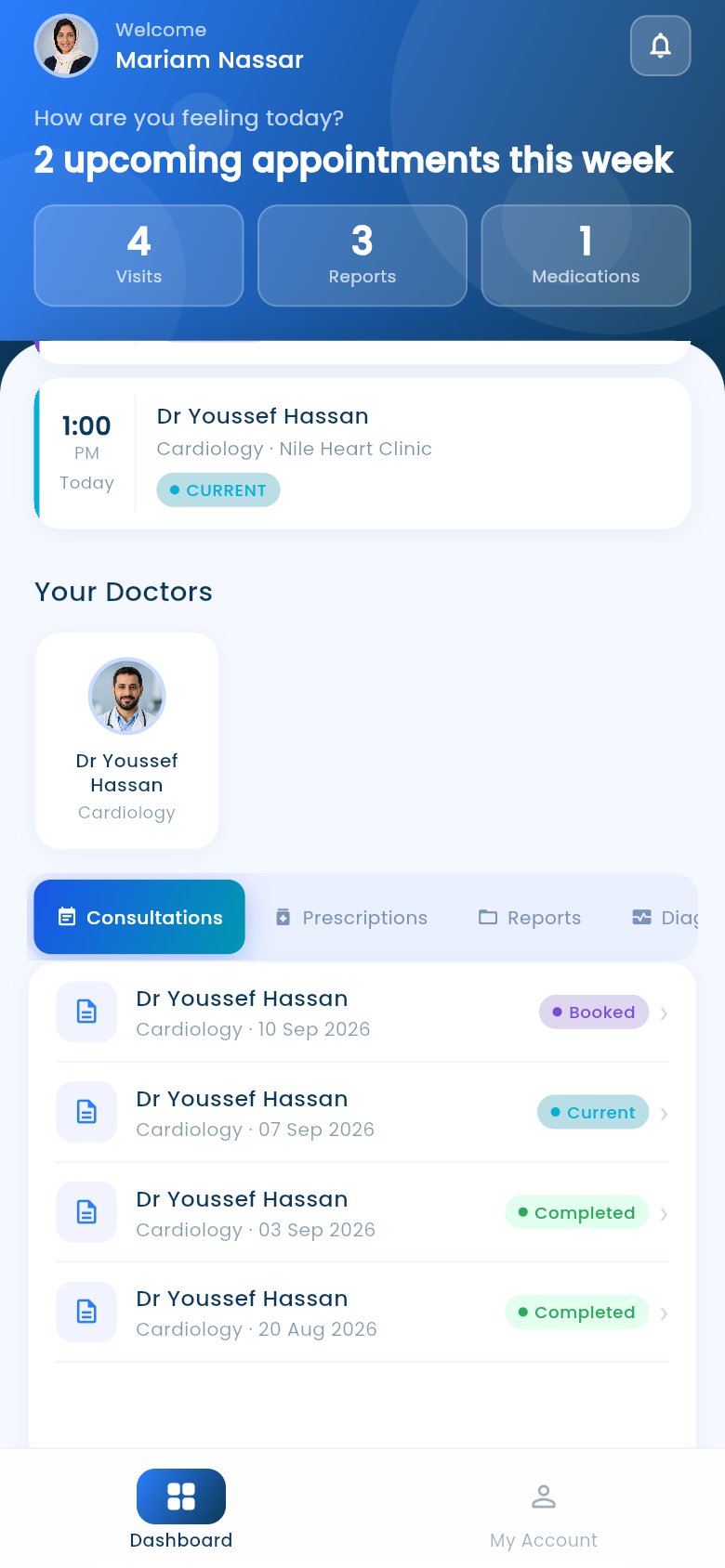 Patient mobile timelineEnlarge
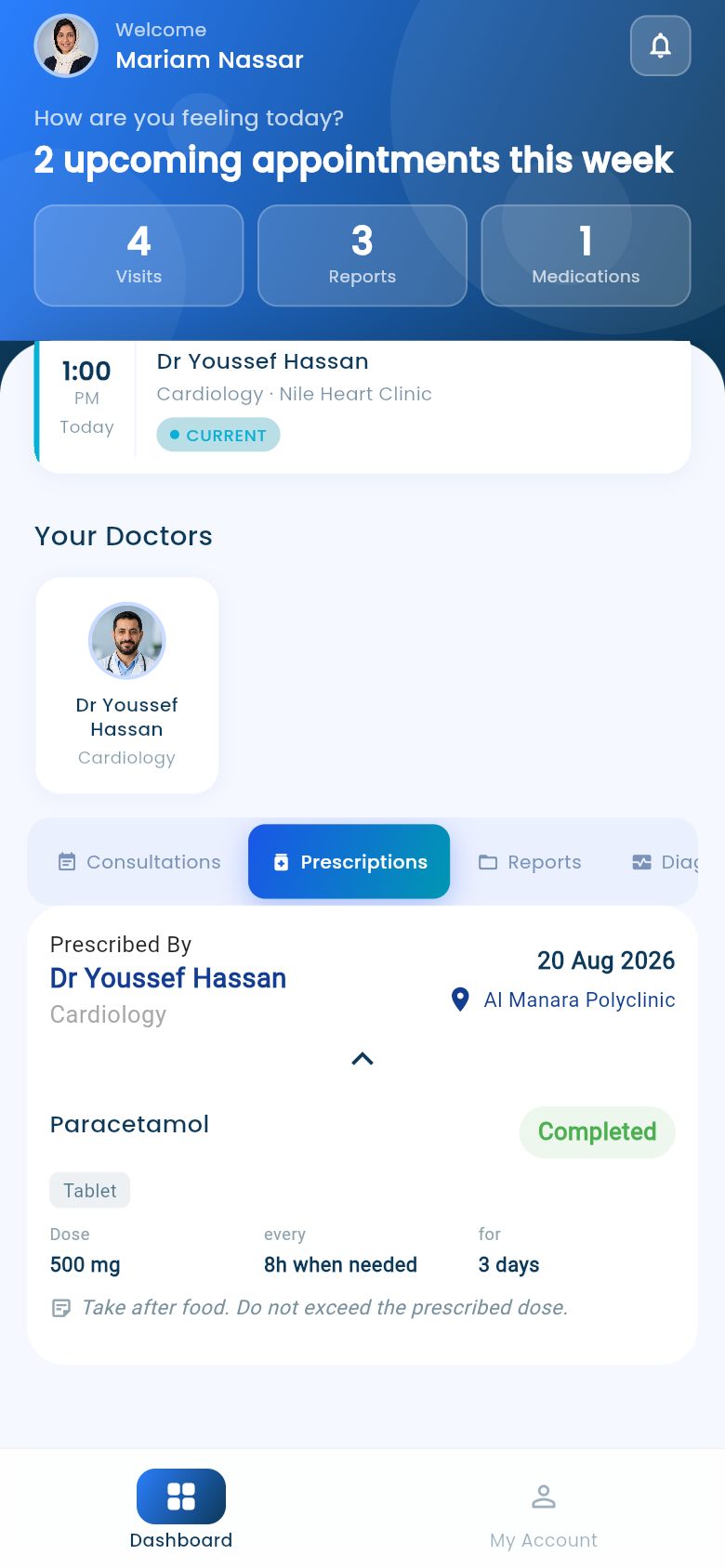 Patient mobile prescriptionEnlarge
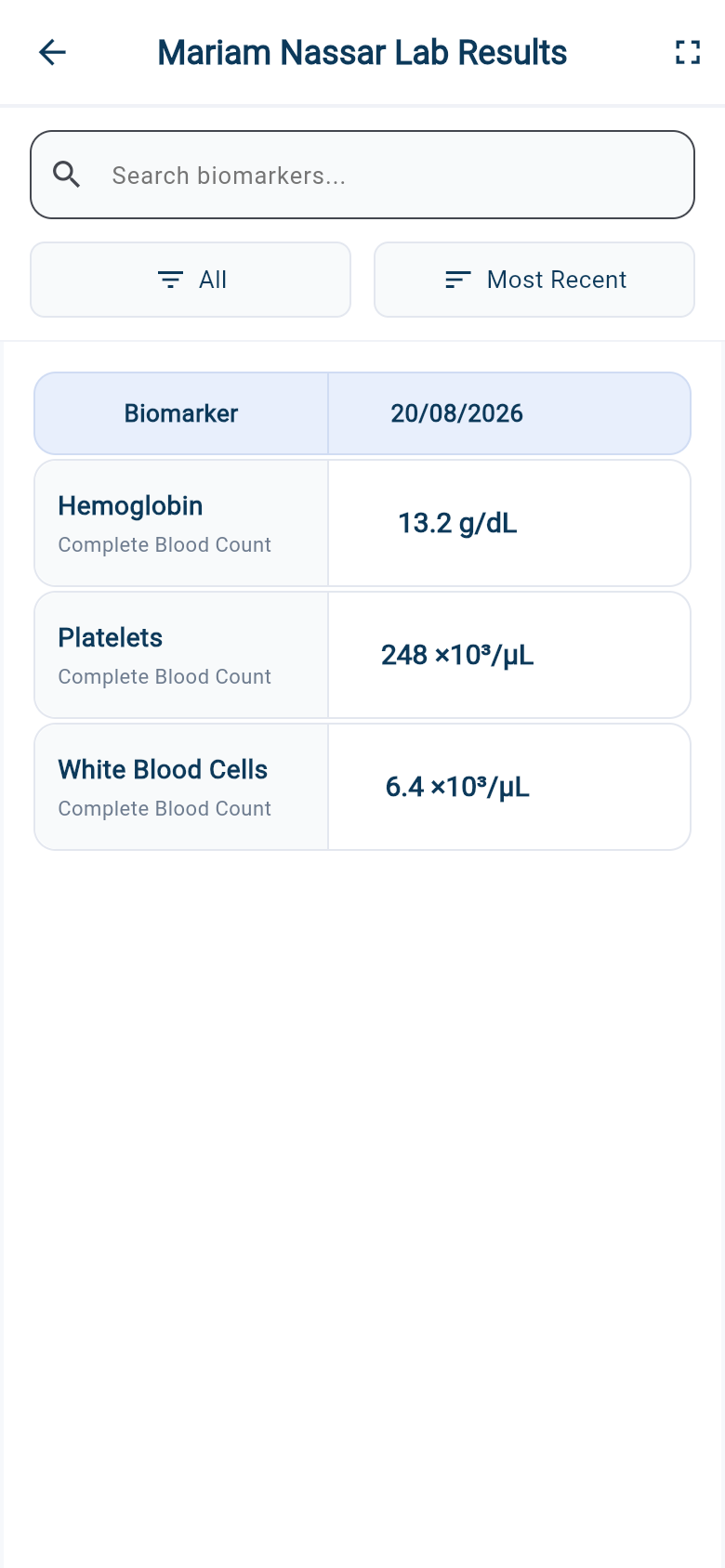 Patient mobile lab resultsEnlarge
Screens shown with fictional demo data.
A place for the history that came before.
The document archive keeps historical files available alongside the patient record. Explore the saved-document screen below.
 Patient document archive — summary demoEnlarge
Screens shown with fictional demo data.
CLINIC OPERATIONS
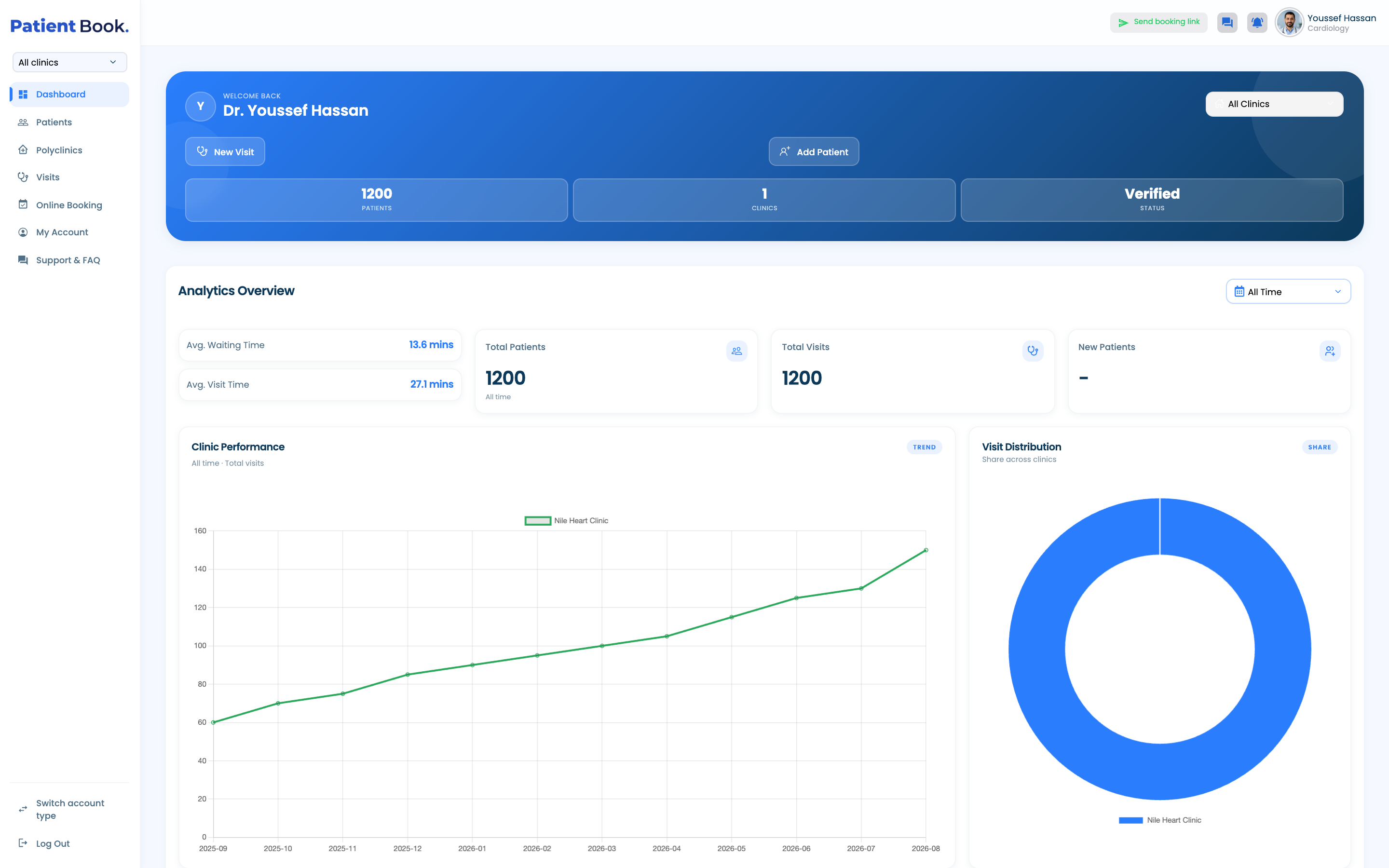
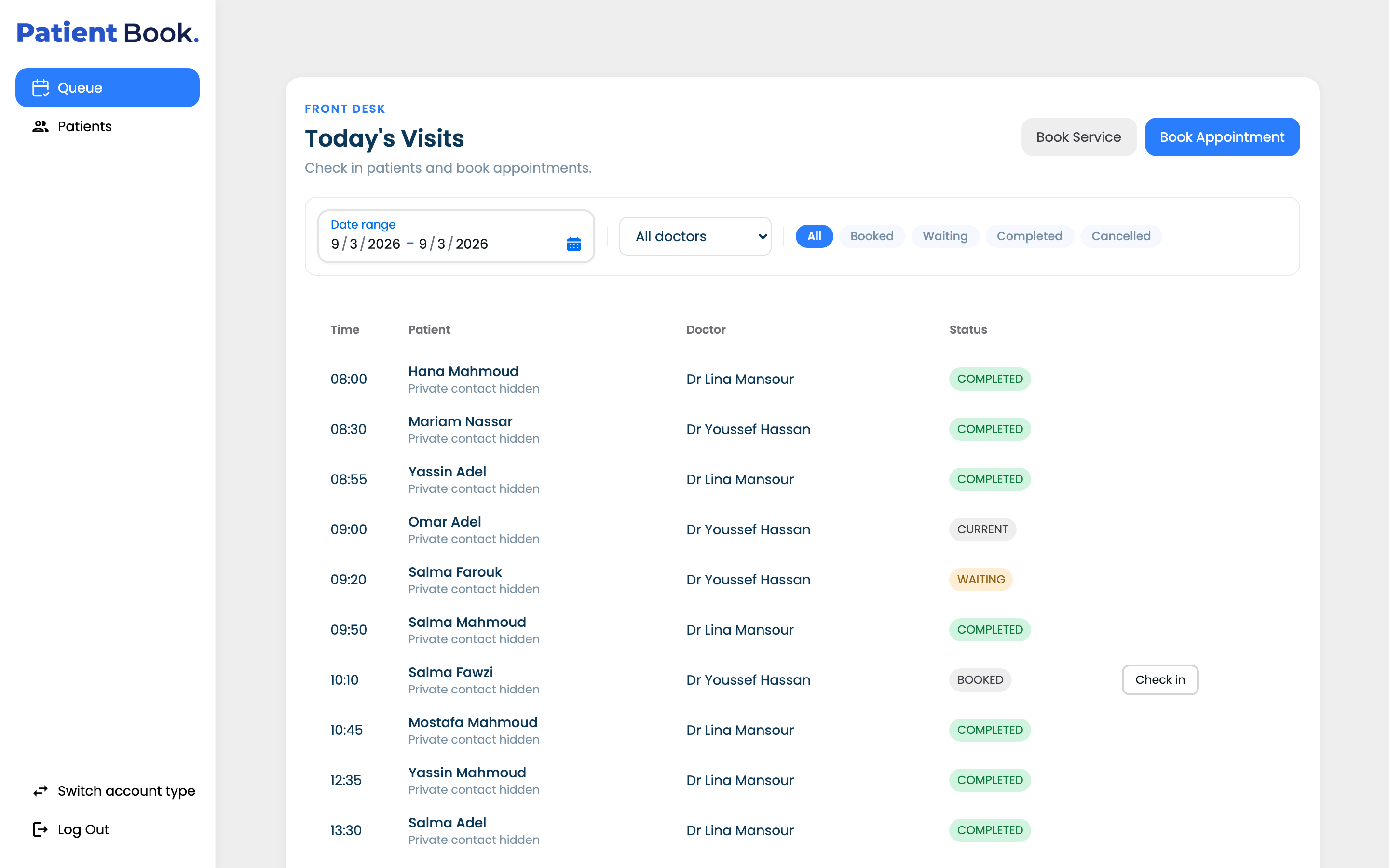
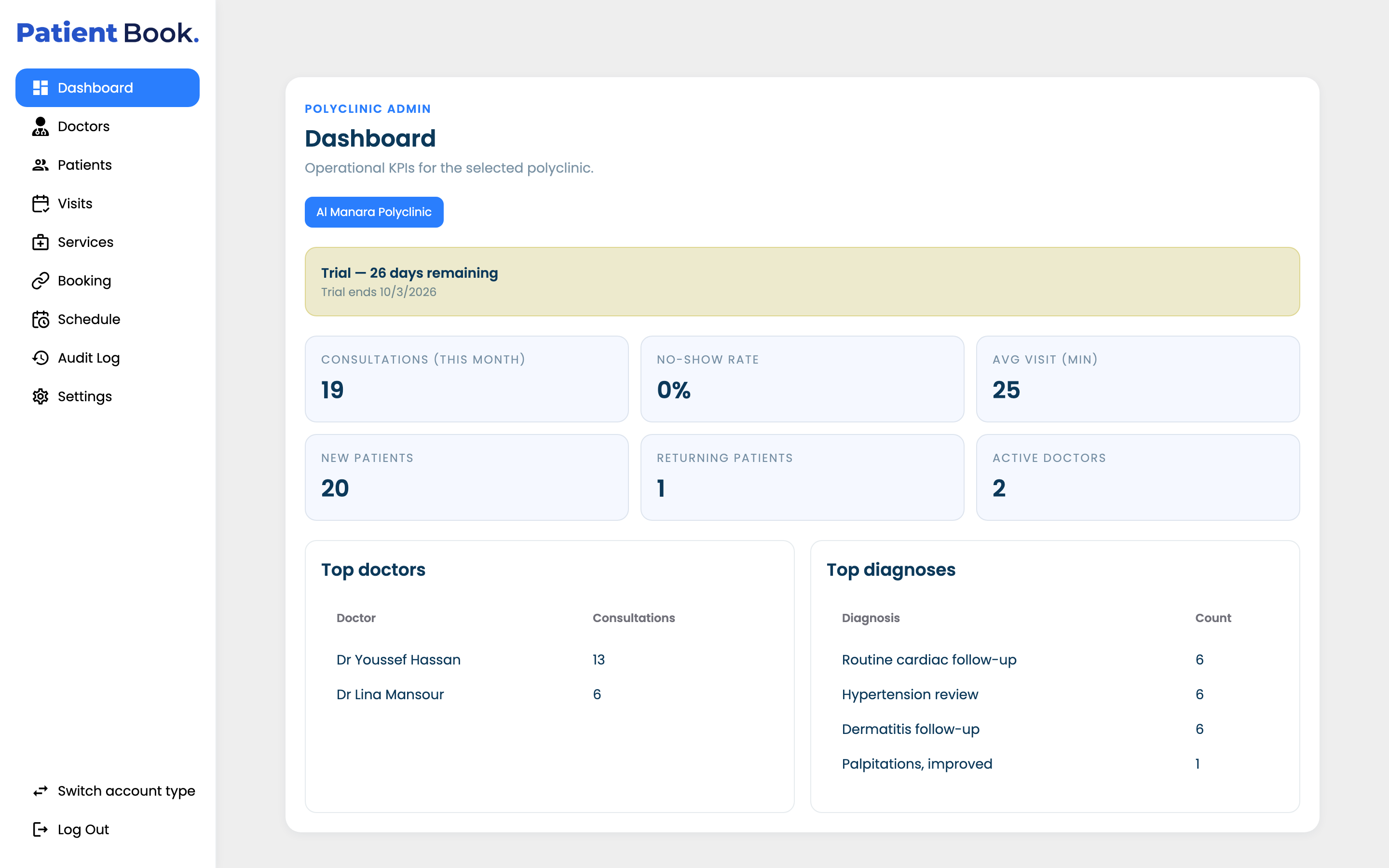
Behind each day of care.
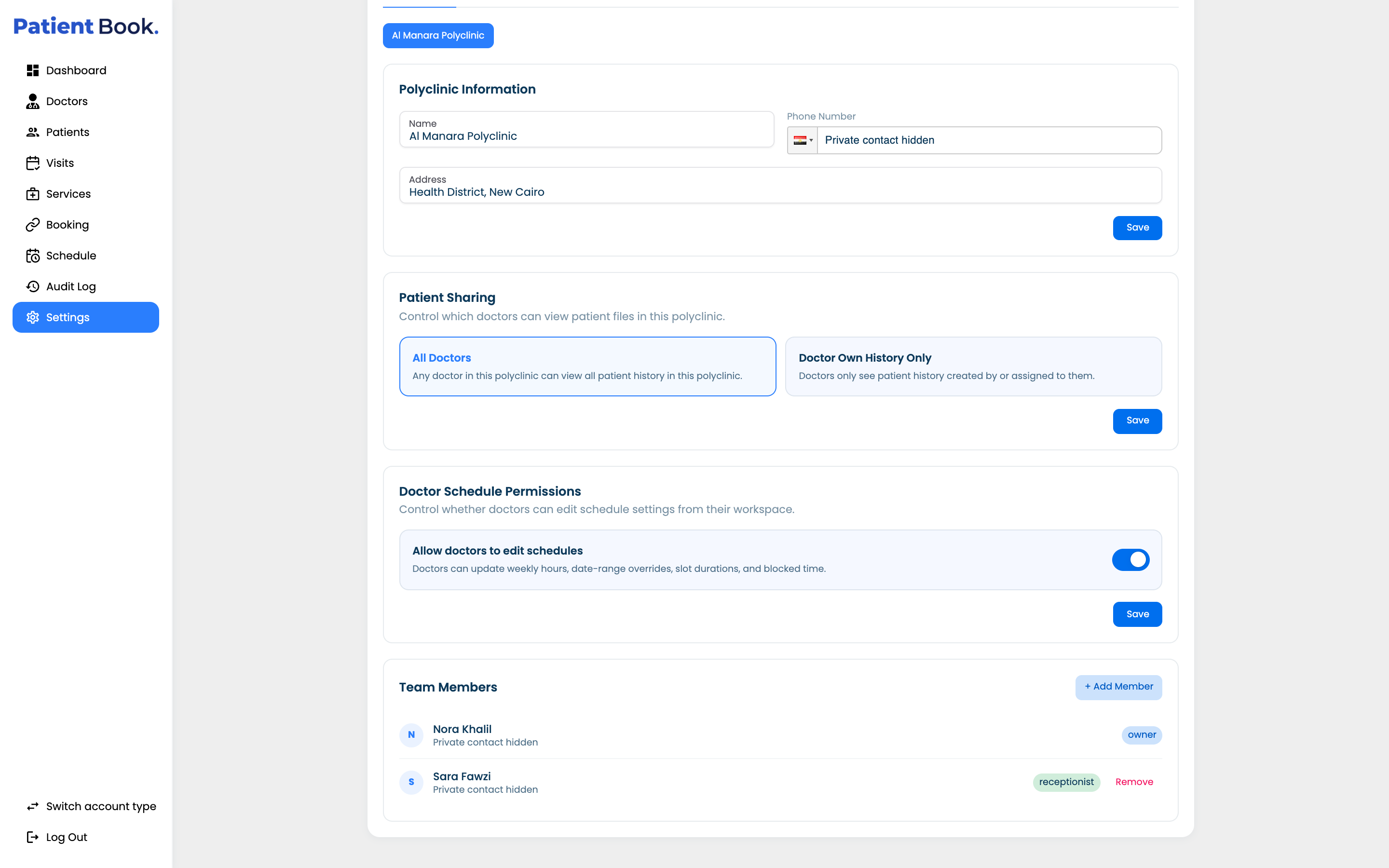
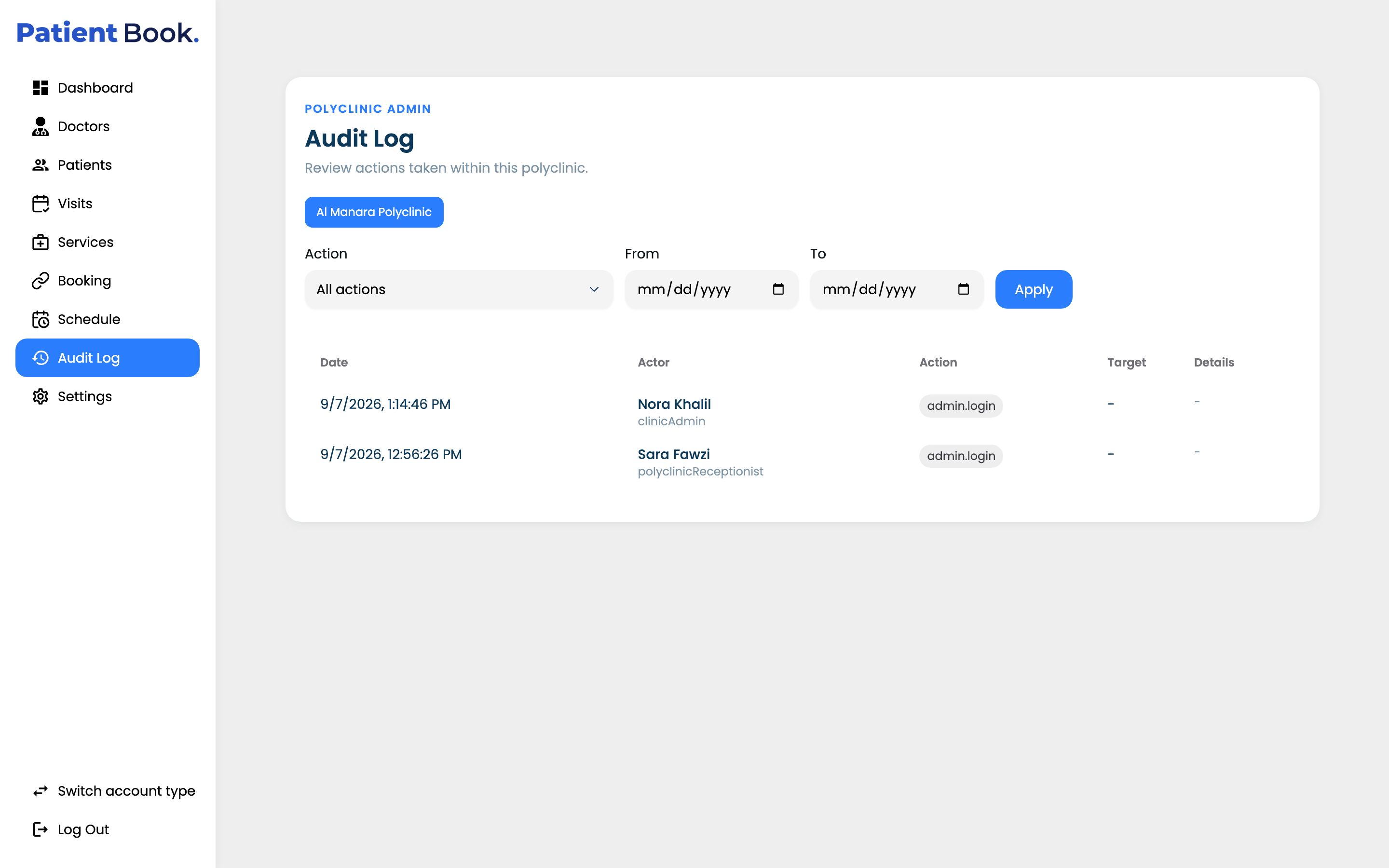
Doctor analytics, reception queues, polyclinic operations, team settings and the activity log. Screens shown with fictional demo data. Open any frame at full resolution.
SWIPE OR DRAG THROUGH 05 INTERFACES
THE PRODUCT RESPONSE
Built around the work people actually do.
- 01
One continuing record
Patient profiles bring together visits, consultations, prescriptions, and reports so doctors can review earlier care alongside the current visit.
- 02
Role-specific workspaces
Doctors, assistants, patients, laboratories, pharmacies, and polyclinic teams have dedicated views for their responsibilities.
- 03
A path from paper to digital
The document archive lets doctors upload historical files, save them to the patient record, and reopen them for reference.
- 04
The patient view
The mobile experience gives patients views of their appointments, visit history, prescriptions, and laboratory results.
IMPORTANT JOURNEYS
From appointment to clinical history
NEED — A doctor needs the relevant patient context before starting a new consultation.
The doctor workspace connects the patient profile, timeline, prior visits, reports, diagnoses, and prescriptions to the active visit.
WHY IT MATTERS — Earlier clinical context is available where the doctor documents the current visit.
Bringing older records forward
NEED — A doctor needs to keep historical documents available when reviewing a patient’s care.
The document archive supports uploading, saving, and reopening historical files alongside the patient record.
WHY IT MATTERS — The original document remains available for review during later care.
Coordinating a polyclinic visit
NEED — Reception and clinical teams need to manage bookings, queues, doctors, and patient access in one location context.
Dedicated polyclinic administration and reception views organise schedules, services, queue states, memberships, and patient files.
WHY IT MATTERS — Different teams can coordinate the same visit without receiving identical permissions.
DESIGN / ENGINEERING
The patient record is the shared object
The product is organised around the patient history and the controlled actions different roles can perform around it.
Explicit roles and access boundaries
Doctor, assistant, laboratory, pharmacy, administrator, and polyclinic access is represented in routes, profiles, memberships, and database policies.
A patient view built for mobile
The mobile experience organises appointments, clinical history, prescriptions, and results into focused views that patients can browse.
THE RESULT
The work brings together web workspaces for clinical and operational teams and a mobile patient experience. The product covers patient history, consultation notes, prescriptions, archived documents, and supporting clinic workflows.
VIEW THE PRODUCT
CONTINUE EXPLORING